KRFC – 2025 Year in Review and looking forward in the Kootenays
Reflections from Kootenay Film Commissioner, Sarah Kapoor.
So let’s just start with…
We make movies here! We’re no stranger to big names and multi-million dollar productions. Some past biggies…
Steve Martin and Roxanne in Nelson
Hot Tub Time Machine with Chevy Chase in Fernie
Cold Pursuit with Liam Neeson in Fernie
Snow Falling on Cedars with Ethan Hawke – nominated for an Oscar – that had Kaslo, New Denver, Kootenay Lake Ferry
The Mountain Between Us with Idris Elba and Kate Winslet outside of Invermere in the Purcells
There’s countless other documentaries, short films and indie movies and recent visits from reality tv shows like Farming for Love and the Great Canadian Baking show.
But for the most part, filming in the Kootenays has been limited and far apart. Part of this has been because we have not had a fully functioning film commission in place – for a long time it was more of a freelance model. It’s only been in the last four years that real concerted effort has been made to add location files – which costs money – and develop crew and vendor lists. This is all while being on call to respond to producer requests at any time.
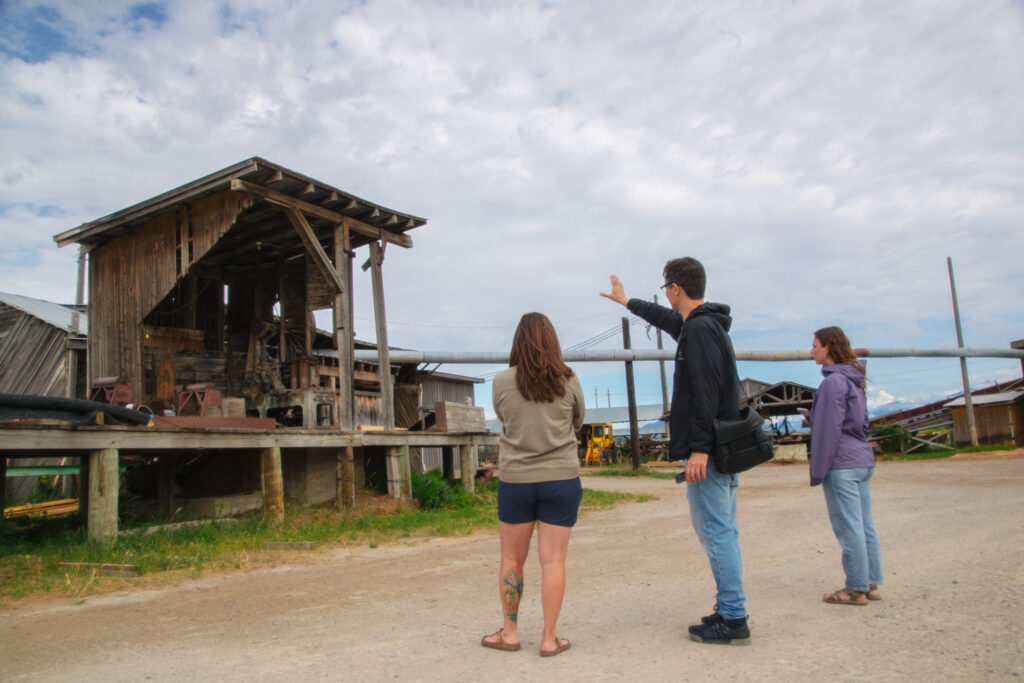
This year alone I’ve had location package requests for films or tv episodes looking for locations in Trail, Castlegar, Salmo, Fernie, Creston, Kootenay Lake, Invermere, Canal Flats, Sandon, Nelson, and Golden and Kimberley. Many of the shoots have already happened or are set to happen next year. Interest and support in all of these communities has been high.
Just so you have sense of what’s being asked for, producers have been looking for rivers, caves, cliffs, wilderness in every direction, rusting cars, hidden lakeside mansions, mountain hotels from the 1890s, restaurants, book stores, hardware stores, highways, main streets, homes, towns with mountain backdrops, towns that can replicate European mountain villas, communes, schools, banks, barns, beaches, strip malls, abandoned buildings … and this is not a complete list. There’s so much more that’s being asked for – and that we don’t have in our regional database.
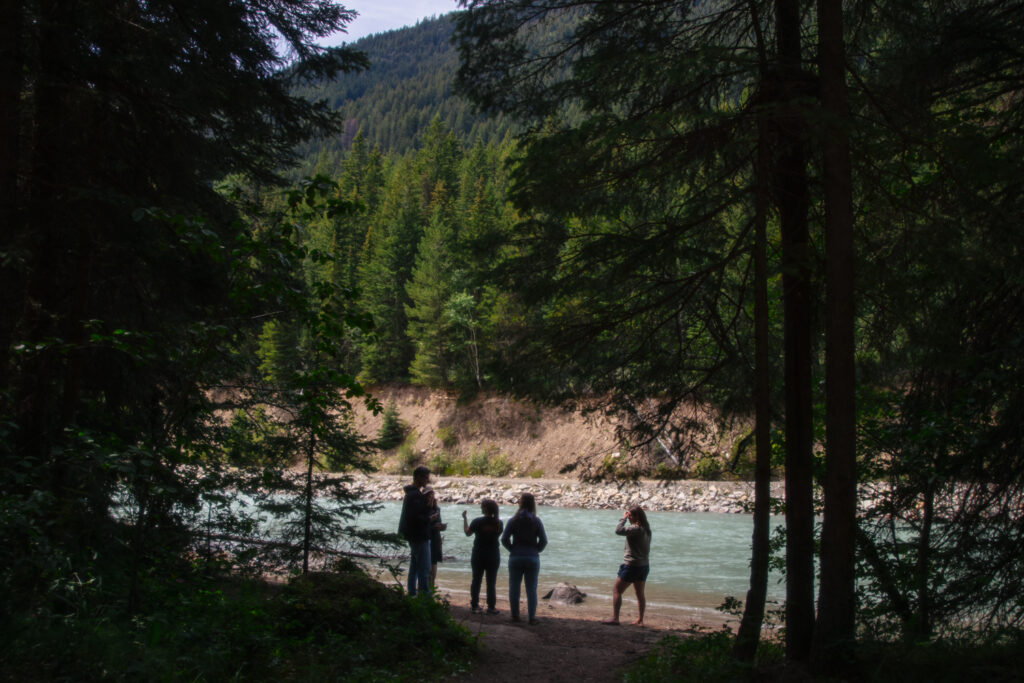
To meet some of this demand we collaborated successfully with Columbia Valley Economic Development, Kootenay Rockies Tourism and the Film Commission to get a REDIP grant. Since getting it, we’ve trained location scouts, added locations to the Kootenay database (Reel Scout), and are working on bringing producers here on familiarization tours. That investment has already led to another committed production this fall in the Columbia Valley, the second movie in less than 12 months after All Night Wrong, starring Zach Cherry and Maria Bakalova, another Oscar nominee.
And there’s another major production looking to lock in for next fall as well in the East Kootenays. That’s in huge part because we had the budget to bring the producer and director here to see the locations.
Where there’s investment, the film sector grows. I’m happy to share that we have just received news of successful ETSI funding for the Central and West Kootenays and hope to replicate some of the development work we’ve done in the East Kootenays.
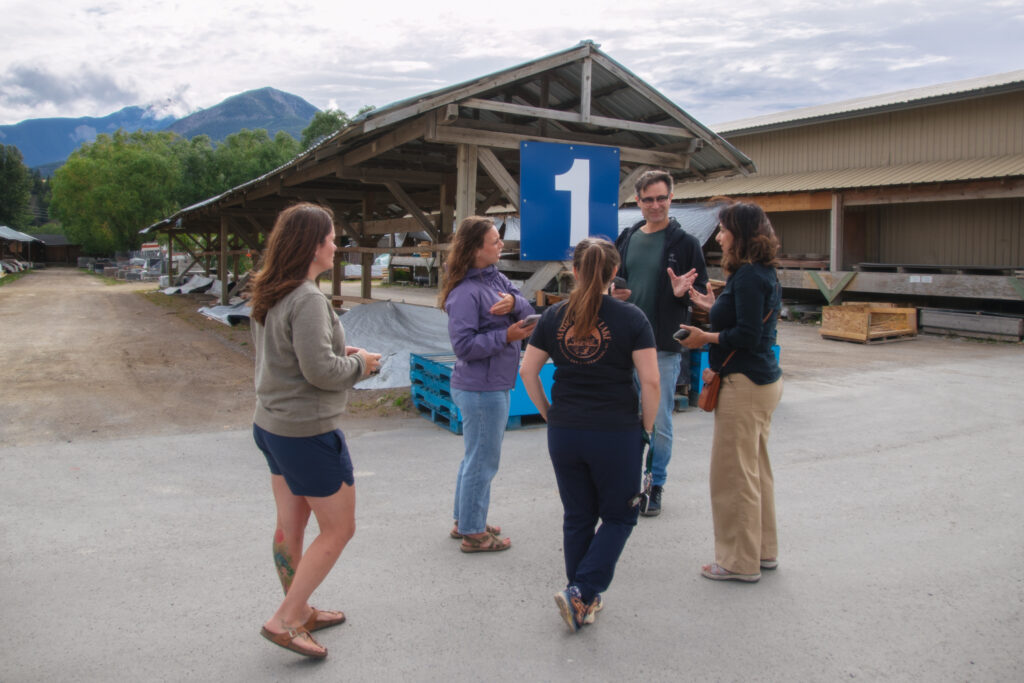
Finally there’s a whole other element to the work I’m doing at the Commission that I believe is vital, and that’s being a resource for local producers.
I have been writing many letters of support for funding of local projects and I’m happy to say that many of them have been successful. I meet with producers from all over the Kootenays and they talk about what stage they’re at with their film or television projects and usually I’m able to help them in some way or connect them to other resources, networks or contacts that can advance what they are up to.
I’ve done at least 50 meetings with local producers. I know that our best shot of leveling up is going to happen with local producers who live here and want to work here. What’s going to transform the film sector here is landing a series. Other than multi-million dollar movies, it’s the consistency and predictability of a repeating series that’s going to build lasting capacity and economic benefits.
There’s Ricky Diamonds in Golden – a musical -comedy series about a lounge singer that is finding himself in more ways than one in Golden. They’ve got the Exec of Kim’s Convenience attached already.
Southern Interior – a sketch comedy about the last earnest place on Earth – they shot a 6 episode Season 1 in Nelson with entirely local cast and crew.
And also out of Nelson is a documentary reality series called “Burger Month” which is about their epic annual burger competition – again, using all local crew. Potential huge tourism impact down the road.
We also need to focus on domestic producers – the people who live and work here – because of the volatility of what’s happening down south. Productions are not getting greenlit and the film tariffs that have been announced this year can go into effect any time and in the years ahead. This will test the service industry model that BC is built on. We need to move from importing production, to making and exporting far more of our own film and television products.
Being a resource for content creators in the Kootenays is more important than ever right now. Right now Canada can step up as a global superpower in a lot of arenas, and film and television is one of those sectors. All types of content creation. We have the talent. They’ve always just gone to the States. I think we are going to see that turn around.
There are other innovations happening as well that I see coming and might really help us do a leap frog. Production is getting lighter and less equipment heavy. AI can do some of the aspects of work that was once restricted to urban centers. And then there’s vertical video. It’s a huge new trend that you might be hearing about for the first time here, but basically it’s shooting very short episodes of a story vertically – because that’s how people hold their phones. It’s huge in China and it’s spreading to North America now, quickly becoming the next billion dollar format because more than 90% of people watch video that way. Even if you hate it, it’s happening. Some of the barriers to production are less in that format. 2025 is a turning point year for vertical video, you heard it here first.
The opportunity is clear here: We are being forced into new models because of changing politics and technologies. And we have people here who want to do series, or a slate of films. These are exactly the kind of things we need to support as a Commission because they’ll bring the most on-going benefits to our communities. And again, almost always, those will be led by a regional producer – people who have ties here.
The challenges? People always say that getting here is hard and costly, but I don’t think that’s the real limit. We have untapped looks which are a huge draw. The provincial numbers reflect regions having greater resilience and increased uptake of the distant tax credits. If more producers got to come to the Kootenays on familiarization tours, and if more marketing was done, people who want these looks will get here. The challenge is that the work of the Commission is underfunded, and historically so. And so our film sector is underdeveloped. There has been research on what the minimum viable amount for a Commission is and we are nowhere close.
What would happen if the infrastructure was there? I’d like to point to what’s happening in the Thompson Nicola. The infrastructure to do the work of a Regional Film Commission is in place (there’s three staff there and other regional district supports) and in 2024 about $26 million was spent directly in the region on film shoots.
Other regions closer to the mainland have even more economic activity, but their proximity to Vancouver is working for them. They’ve been developing their commissions for 20 to 30 years. So we have a lot of work to do. We need to take the work of developing the film sector seriously, and support our regional producers because that’s what this era demands.
If we invest in developing the film sector, we’ll see results.
We already are.
I look forward to what we’ll create together in 2026.
Sarah Kapoor
Kootenay Regional Film Commissioner